Discovering the Rhythms of Indian Folk Dance: A Journey Through Tradition

India, a land of diverse cultures and traditions, boasts an incredible variety of folk dances that reflect the richness of its heritage. Each region has its own unique dance forms, many of which have been passed down through generations. Whether it’s the high-energy movements of Bhangra from Punjab or the graceful expressions of Kathak from North India, folk dances continue to play a vital role in the country’s cultural identity. One such captivating form of folk dance can be experienced in Jaisalmer, where the vibrant folk dance in Jaisalmer takes center stage, mesmerizing locals and tourists alike.
The Essence of Indian Folk Dance
Folk dances in India are more than just performances—they are stories narrated through movement, costume, and rhythm. These dances are deeply intertwined with the traditions, festivals, and rituals of the regions they originate from. While classical dances like Bharatanatyam or Odissi are often more formal and structured, folk dances are spontaneous expressions of joy, celebration, and communal spirit.
Folk dances vary across India's states and are usually performed during festivals, weddings, and other social events. They often reflect the daily life of rural communities, focusing on themes such as harvests, mythology, love, and historical events. While folk dances are typically associated with rural areas, they are now gaining recognition on national and international stages, becoming symbols of India's rich cultural diversity.
The Diversity of Indian Folk Dances
From the fast-paced beats of Dandiya Raas in Gujarat to the energetic movements of Ghoomar in Rajasthan, India’s folk dance repertoire is as diverse as its geography. Let’s explore a few of the prominent folk dances that have left a lasting impression.
Bhangra (Punjab): Originally a harvest dance, Bhangra is now one of the most popular folk dances worldwide. Known for its energetic and lively movements, Bhangra has transcended its rural roots and is now celebrated globally, especially in the Punjabi diaspora.
Garba and Dandiya Raas (Gujarat): Performed during the Navratri festival, Garba and Dandiya Raas are joyous folk dances. Dancers form a circle and dance rhythmically to traditional folk music, often using sticks called Dandiya for a playful interaction during the Raas dance.
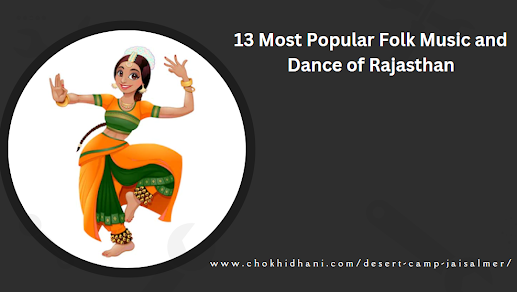
Ghoomar (Rajasthan): Originating from Rajasthan, Ghoomar is a traditional folk dance where women, dressed in colorful attire, gracefully twirl in large circles. It’s often performed to celebrate special occasions, such as weddings or the arrival of the monsoon.
Lavani (Maharashtra): Known for its expressive beats and footwork, Lavani is a form of music and dance that plays a significant role in the cultural heritage of Maharashtra. It often deals with themes of love and social issues and is recognized for its powerful rhythm.
Kalbelia (Rajasthan): This traditional dance form of the Kalbelia tribe in Rajasthan is recognized for its energetic movements and is often performed in the Thar Desert. The performers' black costumes with swirling skirts mimic the movements of serpents, making it a mesmerizing performance for the audience.
Folk Dance in Jaisalmer: A Cultural Delight
Among the many forms of folk dance in Rajasthan, the folk dance in Jaisalmer stands out as a cultural experience that captivates anyone visiting the desert city. Performers, often dressed in colorful, traditional attire, showcase a combination of graceful movements and rhythmic beats, reflecting the vibrant culture of Rajasthan. The backdrop of the golden sand dunes adds a magical touch to the performances, making it a must-see for those who travel to Jaisalmer.
Folk dance in Jaisalmer is not only a source of entertainment but also a way to preserve the rich cultural history of the region. Visitors can witness these traditional performances during cultural festivals, desert camps, or even local celebrations. Jaisalmer’s folk dance is intertwined with its history, mythology, and everyday life, offering a glimpse into the heart of Rajasthan’s cultural soul.
The Modern Revival of Folk Dance
While these dances have ancient origins, they are still very much alive today. In fact, modern adaptations and the efforts of cultural institutions have helped keep these folk traditions alive. Many contemporary dance forms have borrowed elements from folk dances, blending the old with the new. Furthermore, festivals and competitions dedicated to folk dance across India have helped preserve these art forms.
In recent years, folk dances have also gained popularity in the tourism sector. Cultural performances, especially in places like Rajasthan, Kerala, and Punjab, are now an integral part of the tourist experience. As people travel to these regions, they get to witness folk dances that bring to life the stories, legends, and traditions of the local people.
Exploring Jaisalmer: Folk Dance and More
If you plan to experience the rich culture of Jaisalmer, a folk dance performance is a must-watch. However, this desert city offers much more. One of the highlights of visiting Jaisalmer is the iconic camel ride in Jaisalmer. As you traverse the golden sand dunes atop a camel, you’ll witness the stunning beauty of the desert and feel connected to the ancient way of life in the region. The combination of folk dance performances and camel rides makes for an unforgettable cultural experience in Jaisalmer.
In conclusion, Indian folk dances like those in Jaisalmer offer a unique opportunity to explore the cultural richness of the country. Whether you’re watching the elegant twirls of Ghoomar or the lively beats of Bhangra, these dances connect us to the stories of India’s past while celebrating its vibrant present.


Comments
Post a Comment